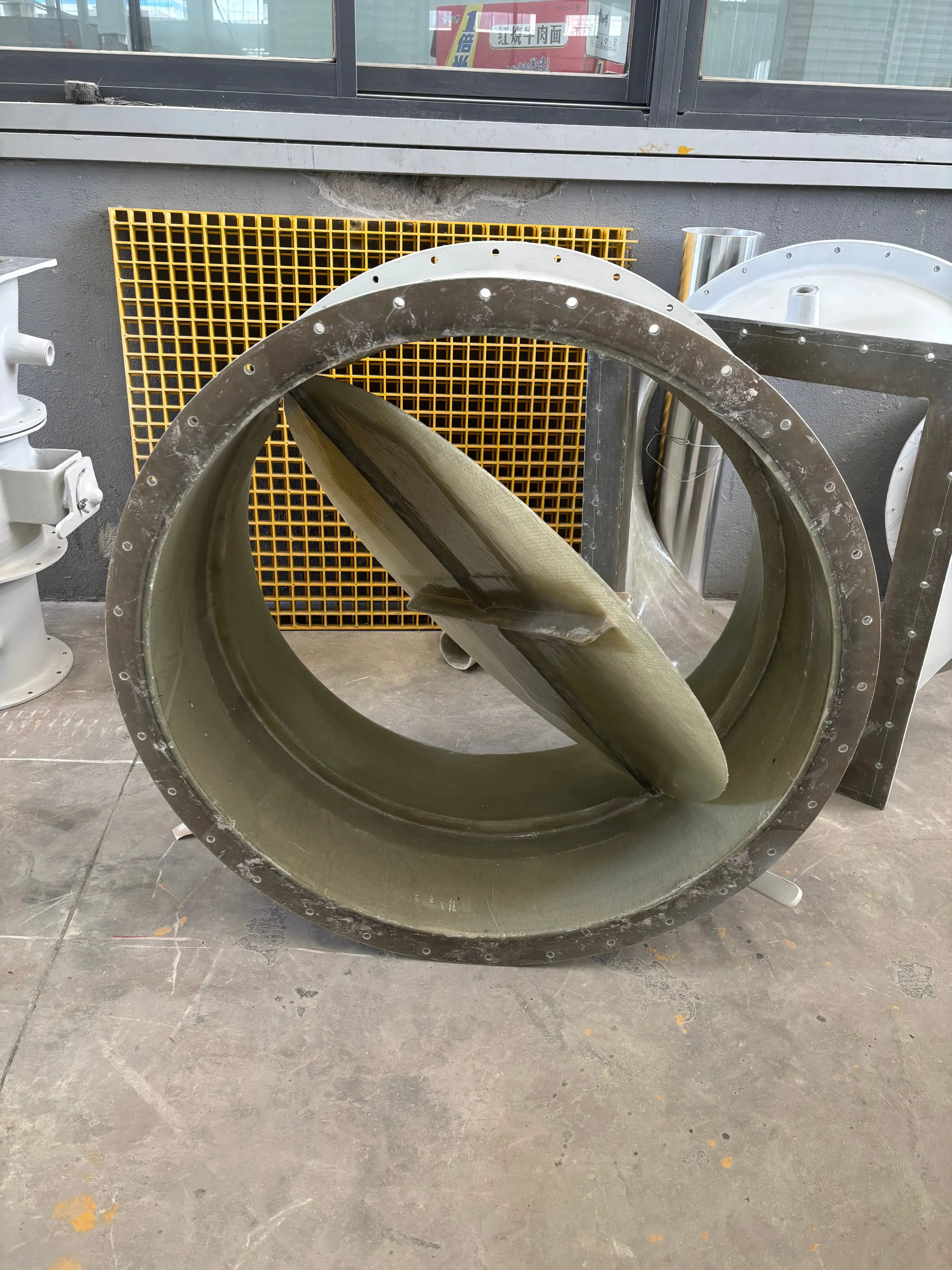
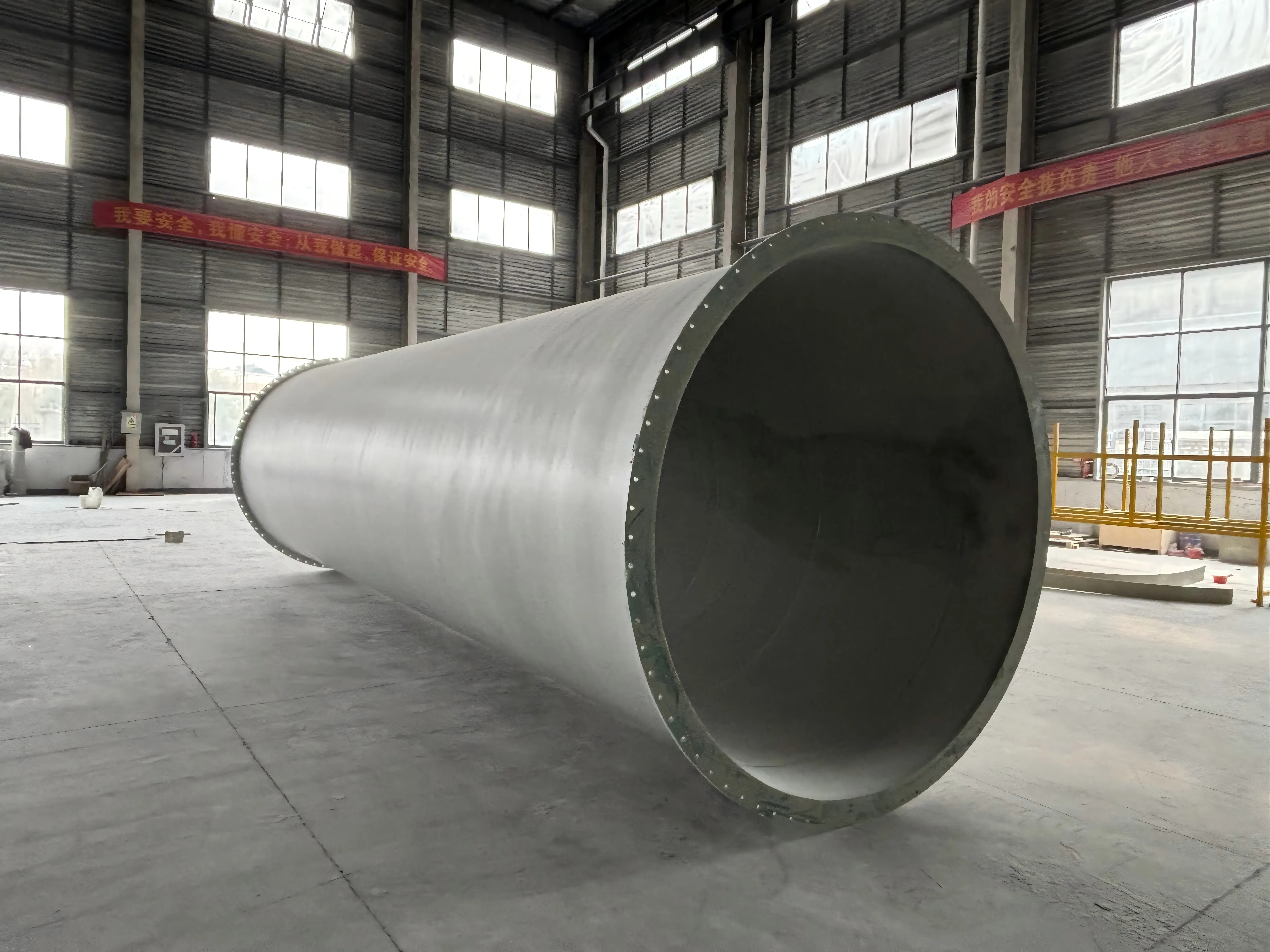
Pipe
FRP Pipe
Built for demanding storage and process applications, YAS FRP tanks offer excellent corrosion resistance, durable construction, and flexible customization for different media and operating conditions.
YAS Can:
- Material
- FRP, anti-static FRP, flame-retardant FRP, SUS304/316, and HDPE.
- Closure
- RAL colors and other international standard colors are available.
- Standards
- GB, ISO, ASTM, and applicable North American standards available.
FRP Ductwork
Product Overview
FRP ductwork is designed to convey industrial exhaust gases in air pollution control systems. Manufactured using filament winding or hand lay-up processes, it offers excellent corrosion resistance, with optional flame-retardant and anti-static properties for specific operating conditions.
FRP ducts are suitable for conveying corrosive exhaust streams containing acids, alkalis, ammonia, hydrogen sulfide, acid mist, and malodorous gases. They are widely used with scrubber towers, biofilters, biological trickling filters, and ammonia stripping towers, providing a reliable solution for exhaust gas collection and transportation.
Working Principle
FRP ductwork serves as the gas conveyance system, collecting exhaust gases and odors from industrial workshops and treatment facilities and directing them to the appropriate air pollution control equipment. After treatment, the cleaned gas can be conveyed through FRP ductwork to an exhaust stack for discharge in accordance with applicable requirements.
The ductwork itself does not remove pollutants. Its primary functions are to provide enclosed gas collection, safely convey corrosive exhaust streams, minimize fugitive emissions, and help protect surrounding equipment and building structures from corrosion. Material selection and system design can also address applicable fire safety and hazardous-area requirements.
Applications
- Conveyance of acidic, alkaline, and VOC-containing exhaust gases in chemical, fine chemical, and pharmaceutical facilities
- Collection and conveyance of odors containing ammonia (NH₃) and hydrogen sulfide (H₂S) at landfill leachate treatment facilities and wastewater treatment plants
- Acid mist exhaust ductwork for pickling operations in electroplating and surface treatment facilities
- Odor collection systems in livestock farming, slaughterhouses, and food processing plants
- Corrosion-resistant exhaust gas collection ductwork in hazardous waste treatment facilities
- Conveyance of acidic and dust-laden exhaust gases in metal smelting and pickling operations
- Ductwork for integrated exhaust gas treatment systems, including ammonia stripping towers, scrubber towers, and biological odor control equipment
Key Advantages of FRP Ductwork
1. Excellent Corrosion Resistance
FRP offers resistance to acids, alkalis, hydrogen sulfide, ammonia, and salt spray, subject to material compatibility. Unlike conventional galvanized or carbon steel ductwork, FRP does not rust and can provide long service life in corrosive exhaust gas environments.
2. Optional Flame-Retardant Construction
Flame-retardant resin systems are available to help meet project-specific fire safety requirements. The required flame-retardant classification must be confirmed against the applicable testing standards and local regulations.
3. Customizable Anti-Static Properties
Anti-static FRP ductwork can incorporate conductive carbon-based additives to help dissipate static charges. It may be suitable for applications involving combustible VOCs when properly designed and installed. Grounding, bonding, and other explosion protection measures must be specified according to the hazardous-area classification and applicable codes.
4. Lightweight Construction
FRP ductwork is lighter than comparable steel ductwork, making lifting and installation easier while reducing support structure loads and helping shorten installation time.
5. Reliable Sealing Performance
Filament-wound or properly fabricated duct sections with sealed flange connections help minimize leakage and prevent corrosive or hazardous exhaust gases from escaping into the surrounding environment.
6. Smooth Internal Surface
The smooth inner surface helps reduce airflow resistance and limits the accumulation of particulate matter under suitable operating conditions, potentially reducing blockage and fan energy consumption.
7. Customized Manufacturing
Straight ducts, elbows, tees, reducers, flanges, and duct connections for dampers can be customized according to airflow rate, operating pressure, gas composition, diameter, and required pressure rating.
Operating Conditions and Selection Guide
Recommended Applications
- Conveyance of acidic and alkaline exhaust gases
- Exhaust streams containing hydrogen sulfide, ammonia, acid mist, and malodorous compounds
- Suitable low-concentration combustible VOC applications, subject to a project-specific safety assessment
Available Options
- Standard corrosion-resistant FRP
- Flame-retardant FRP
- Anti-static FRP
- Combined flame-retardant and anti-static FRP
Important Considerations
- Operating temperature: The exhaust gas temperature must remain within the allowable service temperature of the selected resin system. Specialized high-temperature resins may be required for elevated-temperature applications.
- Oil mist and particulate matter: Systems handling heavy oil mist or highly adhesive dust may require regular inspection and cleaning to prevent deposits and blockages.
- Grounding and bonding: Anti-static ductwork must be installed with an appropriate grounding and bonding system in accordance with applicable hazardous-area requirements.
- Chemical compatibility: Resin selection should be based on the exhaust gas composition, concentration, temperature, and other operating conditions.
System Components
- FRP straight ducts
- FRP elbows
- FRP tees
- FRP reducers
- Flanges and flange gaskets
- FRP dampers
- Rain caps
- Exhaust stacks
- Pipe supports and hangers
- Inspection and access openings