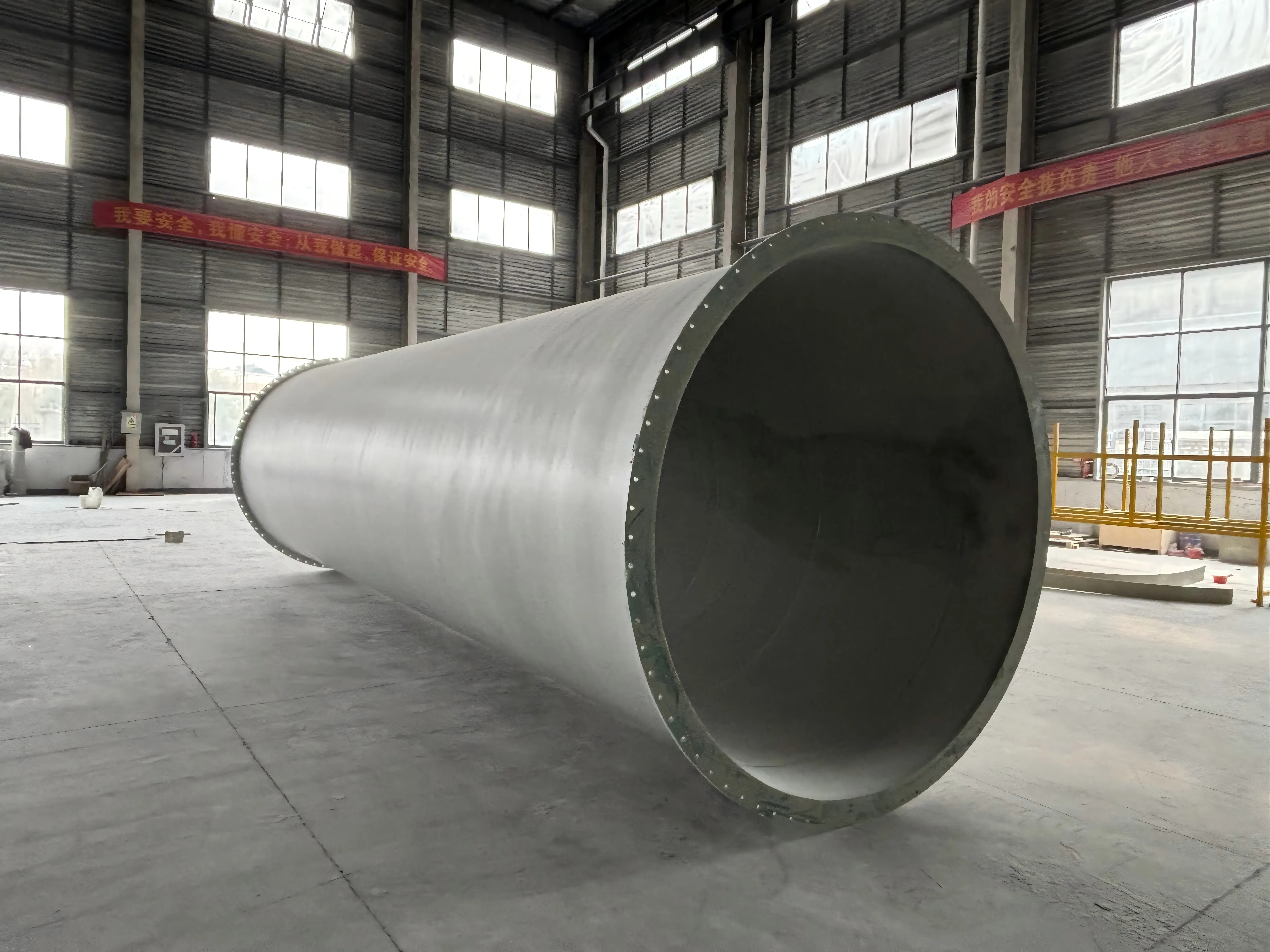
Pipe
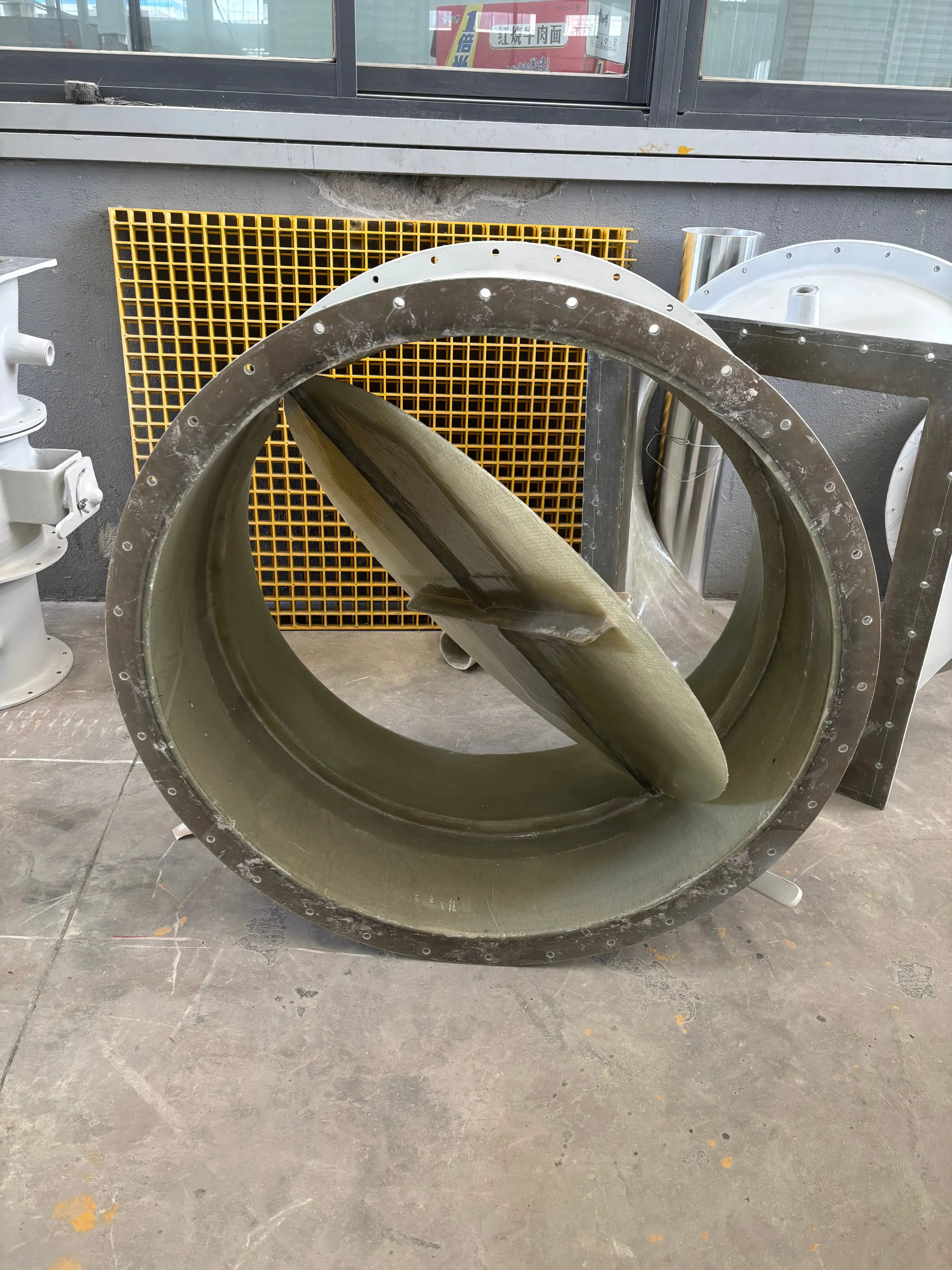
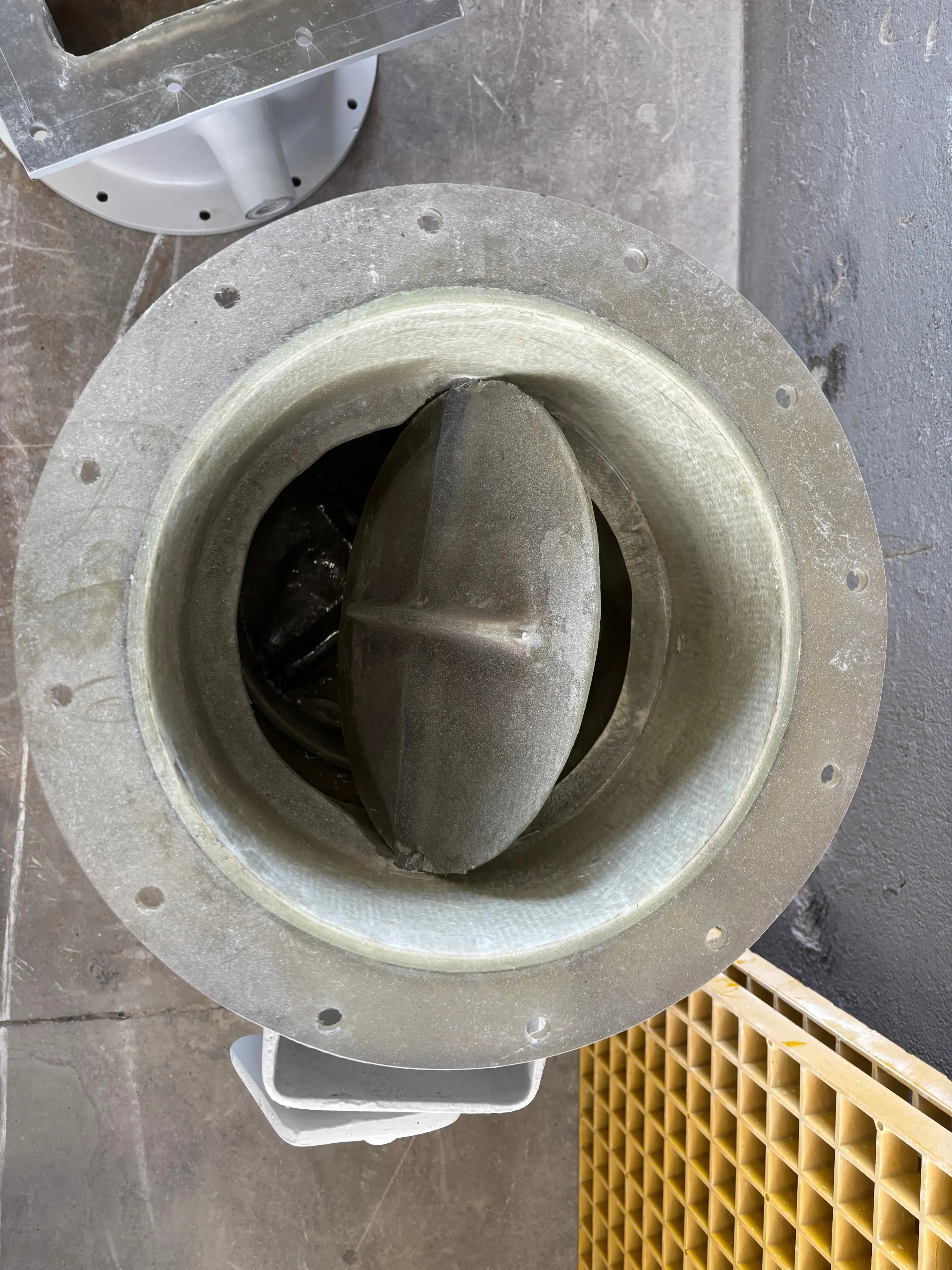
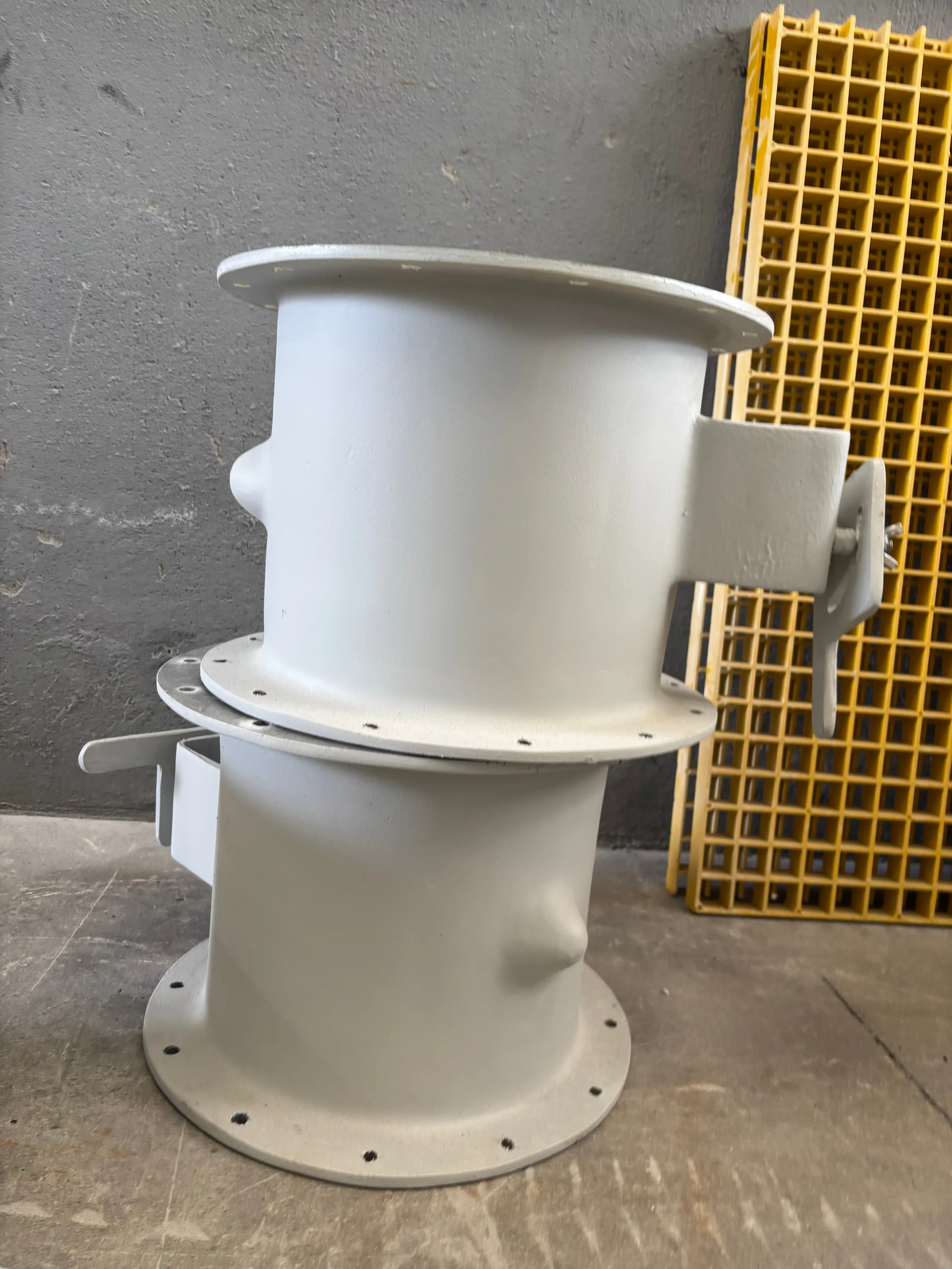
FRP Damper
FRP Flanges are corrosion-resistant connection components designed for FRP piping, tanks, scrubber towers, ducts, and other industrial equipment.
YAS Can:
- Material
- FRP, anti-static FRP, flame-retardant FRP, SUS304/316, and HDPE.
FRP Dampers
Product Overview
FRP Dampers are corrosion-resistant airflow control components designed for industrial ventilation and exhaust gas treatment systems.
Manufactured from fiber-reinforced plastic (FRP), they are designed to regulate, isolate, or redirect corrosive exhaust gas within FRP ductwork and treatment systems. Their corrosion-resistant construction makes them suitable for applications involving acidic and alkaline gases, ammonia, hydrogen sulfide, acid mist, and odors.
FRP dampers can be customized in different sizes, configurations, and operating methods to suit scrubbers, biofilters, biological trickling filters, fans, and other exhaust treatment equipment.
Working Principle
The damper is installed in the exhaust duct and controls airflow by opening, closing, or adjusting the position of the internal blade.
When fully open, the damper allows exhaust gas to pass through the duct with minimal obstruction. When partially closed, it regulates airflow between different branches or treatment units. When closed, it can isolate a section of the system for inspection and maintenance.
Depending on the project requirements, FRP dampers can be manually operated or equipped with electric or pneumatic actuators for remote or automatic control.
Applications
- FRP exhaust duct systems
- Scrubber and absorption tower systems
- Biofilter and biological trickling filter systems
- Ammonia stripping tower off-gas systems
- Chemical and pharmaceutical exhaust systems
- Acid and alkaline exhaust gas treatment
- Wastewater and odor control systems
- Hazardous waste treatment facilities
- Industrial ventilation and corrosive gas handling systems
Key Advantages
1. Excellent Corrosion Resistance
FRP construction provides resistance to acids, alkalis, ammonia, hydrogen sulfide, acid mist, and other corrosive exhaust gases, making it suitable for demanding industrial environments.
2. Airflow Control and Isolation
The damper can be used to regulate airflow, balance different duct branches, or isolate equipment during inspection and maintenance.
3. Lightweight Construction
FRP is significantly lighter than many metal alternatives, making dampers easier to transport, handle, and install.
4. Low Maintenance
FRP does not rust like carbon steel and generally does not require regular painting or anti-corrosion treatment.
5. Multiple Operation Options
Manual, electric, and pneumatic operation can be selected according to system requirements and the level of automation required.
6. Customized Design
Damper size, blade configuration, flange dimensions, operating method, and actuator type can be customized according to duct dimensions, airflow, pressure, temperature, and installation requirements.
Operating Conditions and Selection Guide
- Suitable applications: Corrosive exhaust gas and industrial ventilation systems requiring airflow regulation or equipment isolation.
- Available types: Manual, electric, and pneumatic dampers.
- Material options: Standard corrosion-resistant FRP, flame-retardant FRP, and anti-static FRP.
- Selection factors: Duct diameter or dimensions, airflow rate, operating pressure, temperature, gas composition, and required control method.
Important Considerations:
- The FRP resin system should be selected according to the actual chemical composition and operating temperature.
- For systems handling combustible VOCs, anti-static FRP and reliable grounding should be considered where required by the project design.
- Actuators should be selected according to damper size, operating frequency, pressure, and automation requirements.
- Proper support should be provided to prevent excessive loads on the damper and connected ductwork.
System Components
- FRP damper housing
- FRP damper blades
- Shaft and operating mechanism
- Manual handle or actuator
- Flanges
- Gaskets
- Fasteners
- Optional electric or pneumatic actuator