
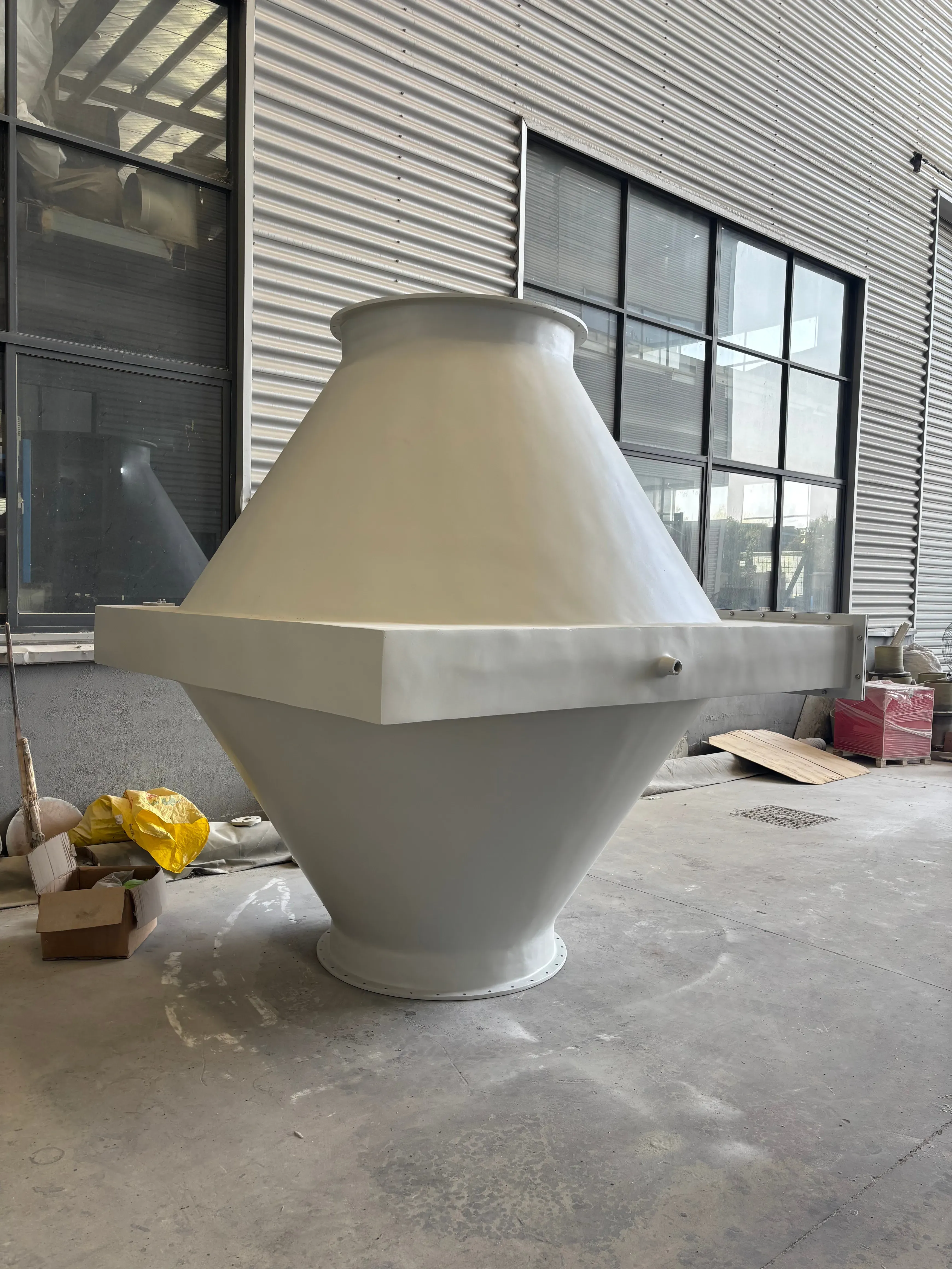
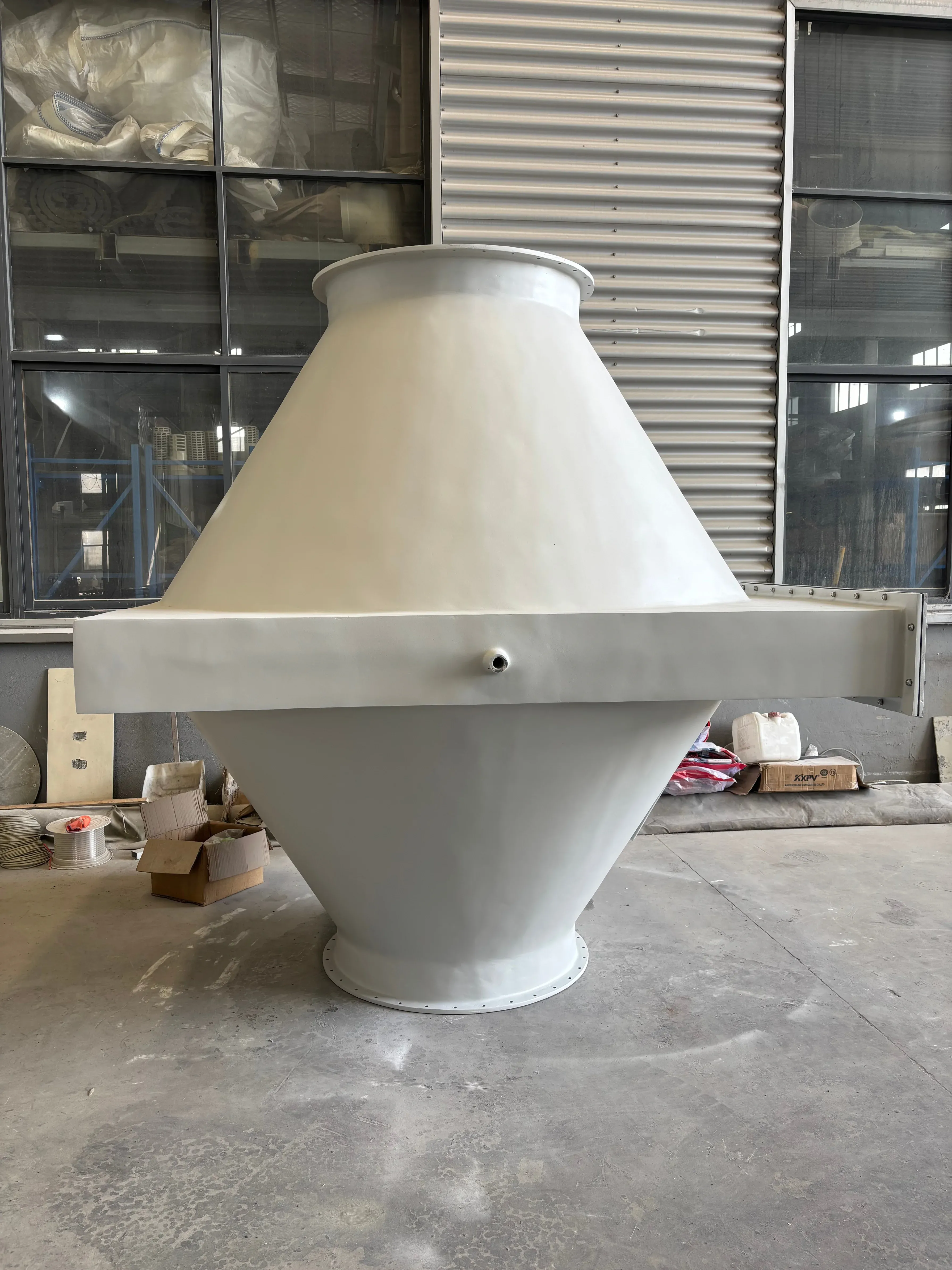
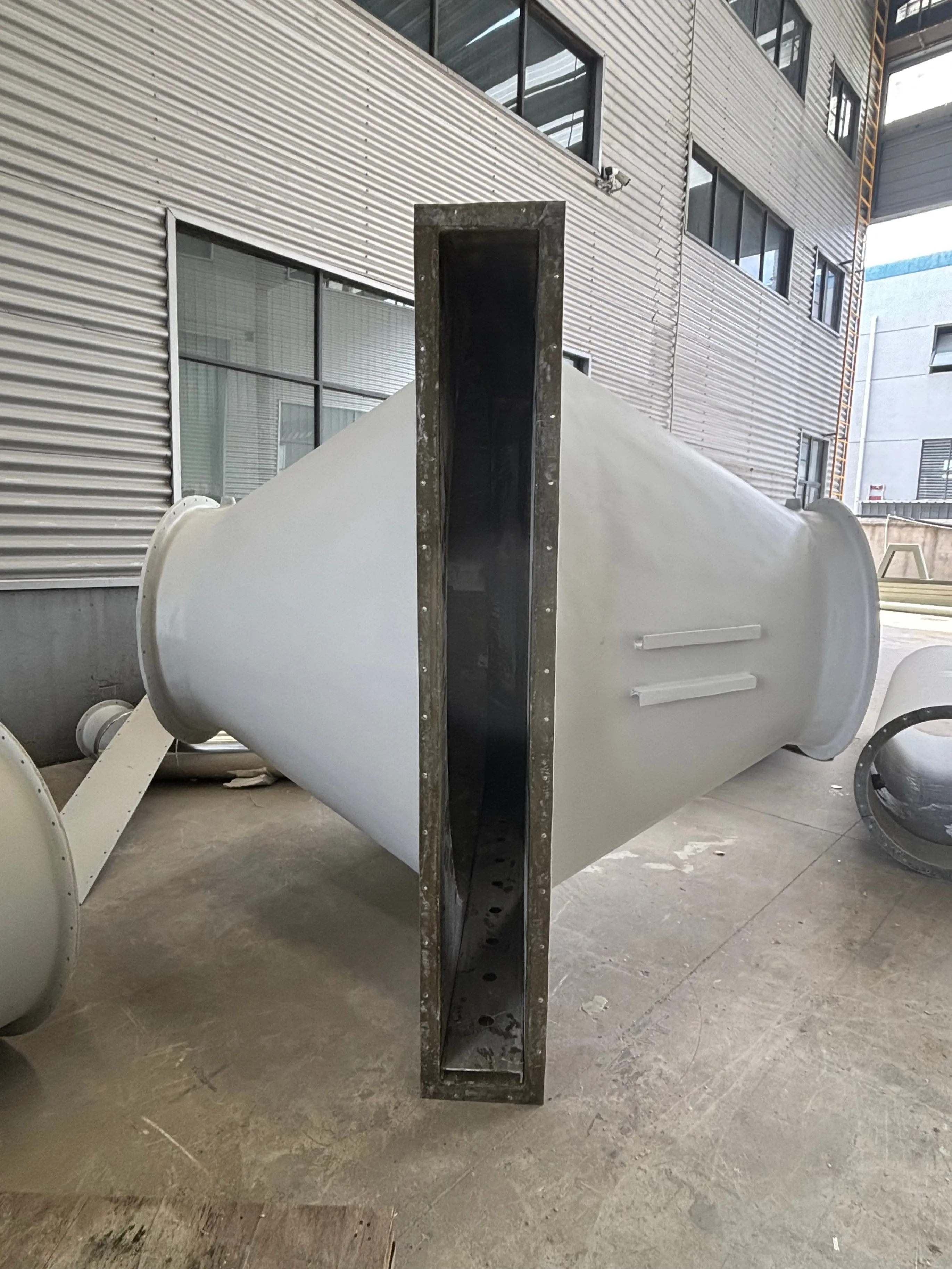
Mist Eliminator
Mist Eliminator
The FRP Mist Eliminator is a key component in wet scrubbers and exhaust gas treatment systems, designed to remove entrained liquid droplets from treated gas before discharge.
YAS Can:
- Material
- FRP, anti-static FRP, flame-retardant FRP, SUS304/316, and HDPE.
FRP Mist Eliminator
Product Overview
The FRP Mist Eliminator is a key component in wet scrubbers and exhaust gas treatment systems, designed to remove entrained liquid droplets from treated gas before discharge.
It is commonly installed downstream of spray and packed-bed scrubbing sections to capture fine droplets carried by the gas stream. By reducing liquid carryover, it helps protect downstream fans, ducts, and exhaust stacks from corrosion, scaling, and liquid accumulation.
FRP construction provides excellent resistance to acids, alkalis, ammonia, hydrogen sulfide, and other corrosive process conditions. Mist eliminators can be customized for vertical or horizontal scrubbers according to gas flow rate, droplet characteristics, pressure drop, and equipment dimensions.
Working Principle
During wet scrubbing, high-speed gas flow can carry small droplets of circulating scrubbing liquid into the gas stream.
The gas passes through the mist eliminator, where specially designed blades or passages change the direction of the airflow. Due to inertia, liquid droplets cannot follow the gas flow completely and impact the eliminator surfaces.
The captured droplets combine into larger droplets and flow downward into the scrubber or drainage system, while the cleaned gas continues toward the outlet.
This process reduces liquid carryover and helps prevent downstream equipment from being exposed to corrosive scrubbing liquid.
Applications
- FRP vertical scrubber towers
- FRP horizontal scrubber towers
- Chemical and fine chemical exhaust gas treatment
- Acid and alkaline gas scrubbing systems
- Ammonia and hydrogen sulfide exhaust treatment
- Acid mist removal systems
- Wastewater and landfill odor control systems
- Ammonia stripping tower off-gas treatment
- Hazardous waste exhaust gas treatment
- Industrial ventilation and wet exhaust gas systems
Key Advantages
1. Corrosion-Resistant FRP Construction
FRP materials provide excellent resistance to acids, alkalis, ammonia, hydrogen sulfide, and other corrosive gases and liquids. The material can be selected according to the actual operating conditions.
2. Effective Droplet Removal
The specially designed flow passages promote droplet separation and reduce liquid carryover from wet scrubbing systems, helping protect downstream equipment.
3. Low Maintenance
The simple structure contains no moving parts, reducing mechanical failure points. Properly designed access openings make inspection and cleaning convenient.
4. Low Pressure Drop
The eliminator can be designed with an optimized airflow path to achieve effective mist removal while maintaining relatively low pressure drop.
5. Flexible Installation
Mist eliminators can be designed for vertical or horizontal equipment and customized according to tower dimensions, gas flow direction, and installation requirements.
6. Lightweight and Durable
FRP construction is significantly lighter than many metal alternatives and provides good corrosion resistance for long-term use in wet and chemically aggressive environments.
7. Customized Manufacturing
Blade spacing, section size, thickness, frame structure, and installation dimensions can be customized according to gas flow rate, droplet size, operating temperature, and pressure-drop requirements.
Operating Conditions and Selection Guide
- Suitable applications: Wet scrubbers, spray towers, packed scrubbers, ammonia stripping systems, and other processes where liquid carryover needs to be controlled.
- Gas flow direction: Available for vertical upward-flow and horizontal-flow applications.
- Material options: Standard corrosion-resistant FRP, flame-retardant FRP, and other customized FRP formulations.
- Design considerations: Gas velocity, droplet size, liquid loading, pressure drop, temperature, and chemical composition should be considered during selection.
Important Considerations:
- Excessive gas velocity may increase liquid carryover and reduce mist elimination performance.
- Heavy dust, crystallized salts, or sticky contaminants may accumulate on the eliminator and require periodic cleaning.
- The FRP resin system should be selected according to the actual chemical composition and operating temperature.
- Proper drainage should be provided to prevent collected liquid from being re-entrained into the gas stream.
System Components
- FRP mist eliminator blades
- FRP support frame
- FRP retaining structure
- Droplet drainage system
- Mounting and fixing components
- Inspection and access components