Sep 15, 2026Why Choose Nantong Yashi?
Nantong YAS FRP Isn’t Just a Cheaper Alternative
FRP Isn’t Just a Cheaper Alternative. Here’s Why It Makes Sense.
When people first hear “FRP,” one of the first questions is often about price.
Is it cheaper than stainless steel?
Usually, yes.
But that’s not the most interesting part.
For environmental equipment, the real value of FRP is what happens after the equipment leaves the factory and starts working in the real world.
Built for tough environments
Environmental equipment doesn’t exactly have an easy job.
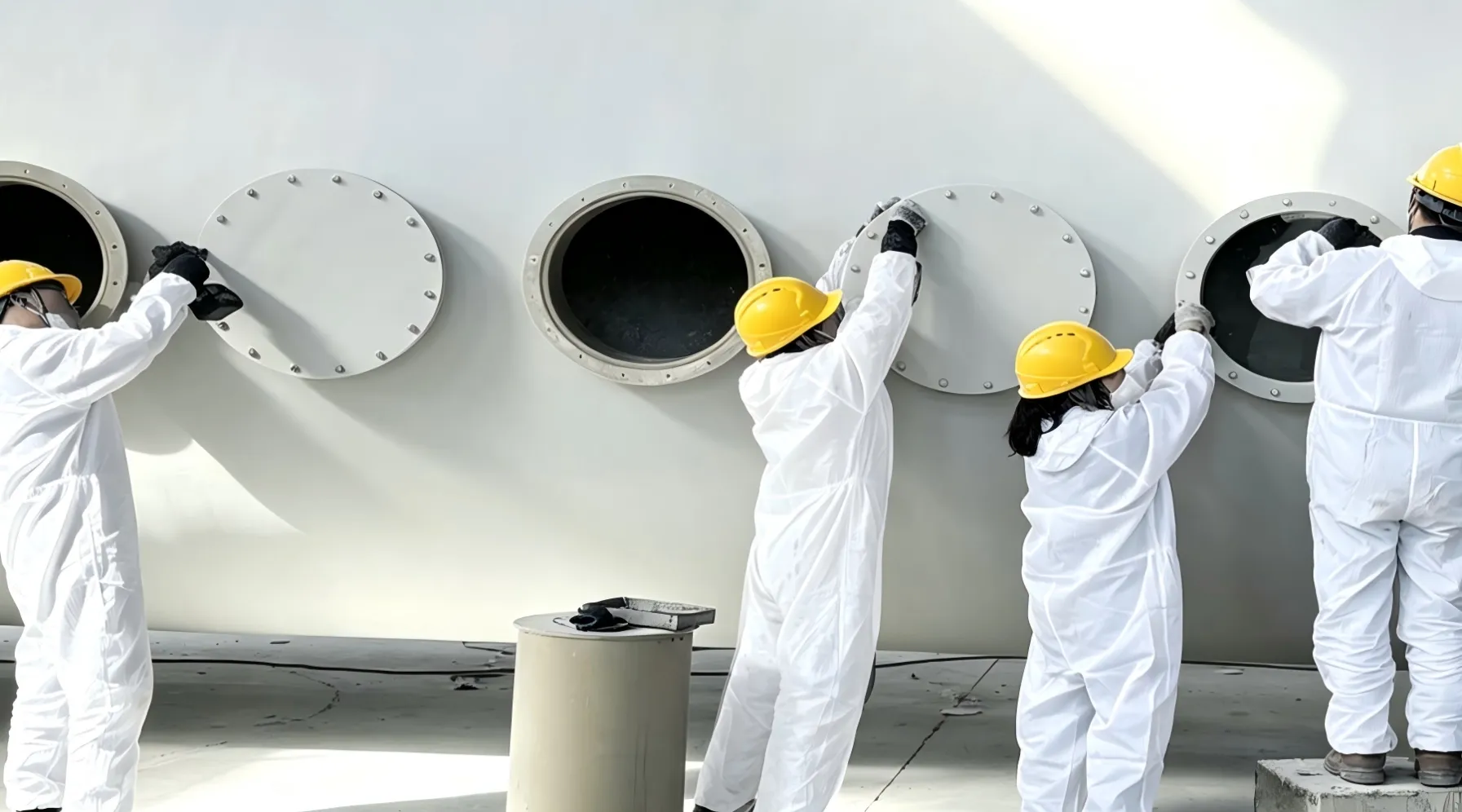
Scrubber towers deal with corrosive gases.
Tanks may store aggressive chemicals.
Ductwork carries humid and chemically loaded air.
Fans operate continuously in demanding conditions.
This is where material selection becomes important.
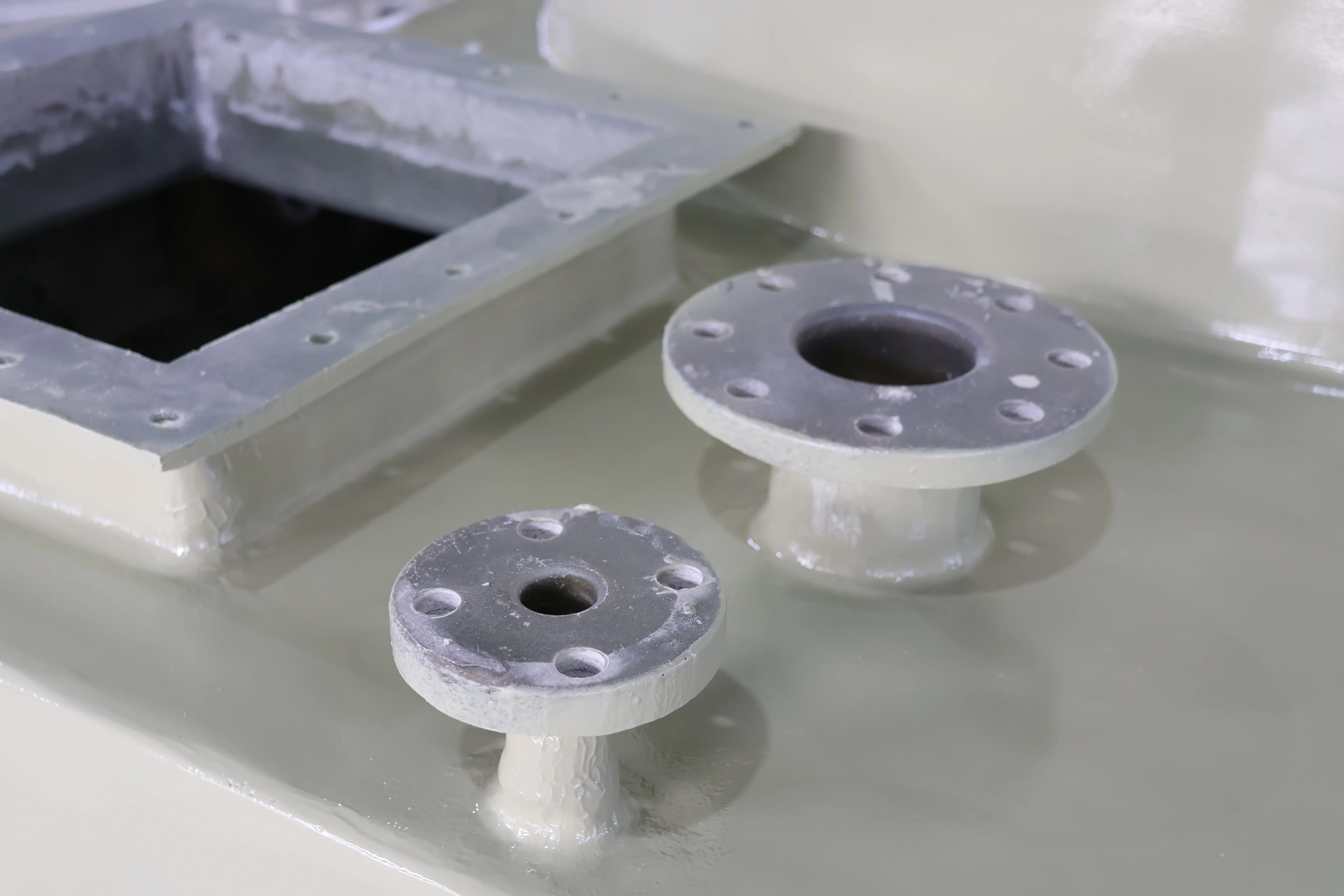
FRP — Fiber Reinforced Plastic — combines a resin system with glass fiber reinforcement to create equipment that is strong, corrosion-resistant, and relatively lightweight.
For many gas treatment and environmental applications, that combination makes a lot of sense.
Corrosion resistance is a big deal
In a typical environmental system, corrosion is not something you want to discover six months after installation.
Depending on the application, FRP can be designed with different resin systems and constructions to handle acids, alkalis, moisture, and other aggressive media.
That makes FRP a practical choice for products such as:
- Scrubber towers
- FRP tanks and vessels
- Ducts and pipes
- Dampers
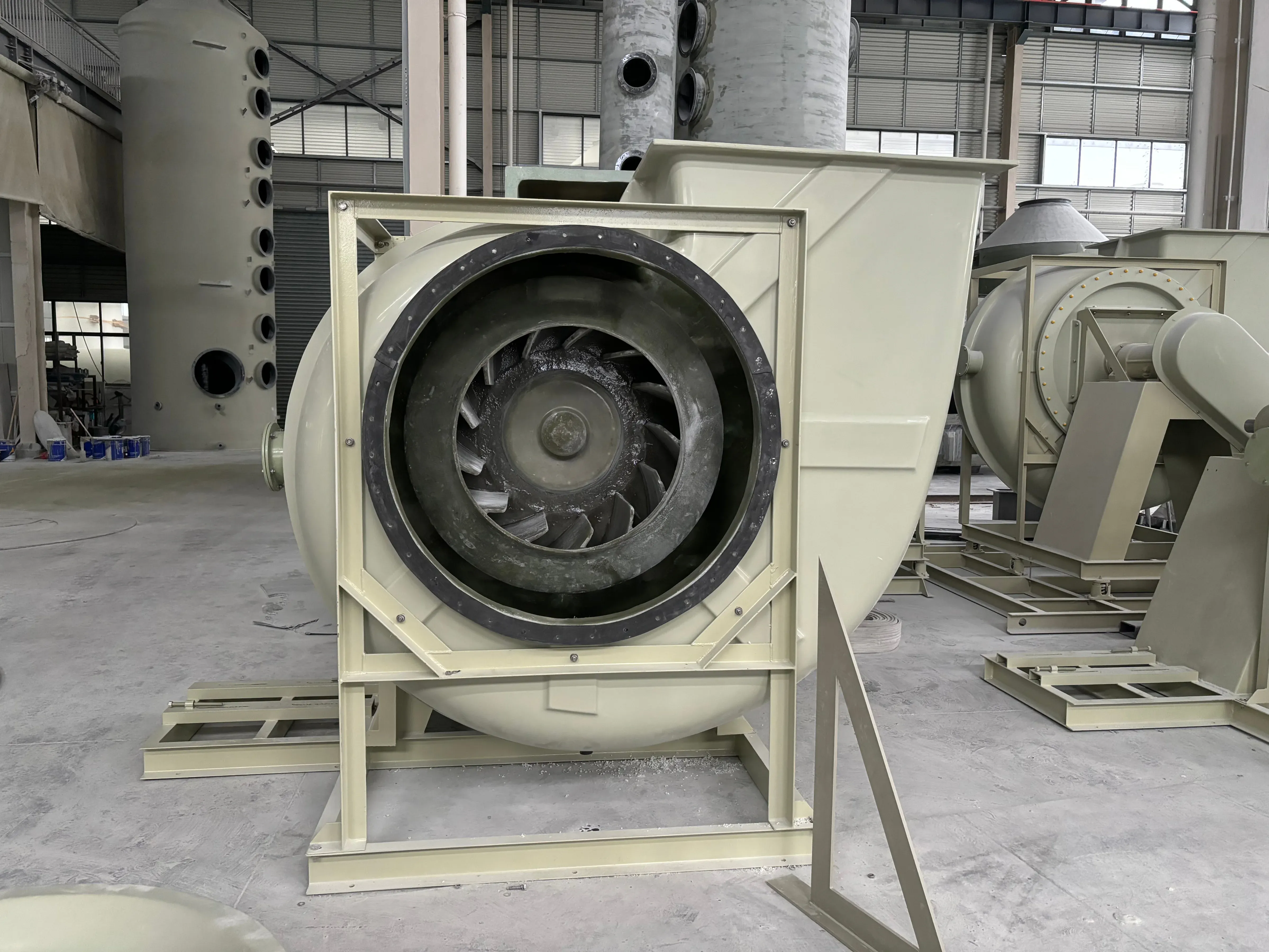
- Fans and blowers
- Biofilter components
- Adsorption and stripping towers
The key is not simply choosing “FRP.”
The key is choosing the right FRP for the actual working environment.
Lighter doesn’t mean weaker
Another advantage that often gets overlooked is weight.
Compared with many metal alternatives, FRP equipment can be significantly lighter.
That can make transportation, handling, installation, and supporting structures easier to manage.
For large tanks, towers, ducts, and other equipment, this can become a practical advantage during installation — not just something that looks good on a specification sheet.
One material. Many possibilities.
One of the reasons we work with FRP across different environmental applications is its flexibility.
The same basic material platform can be used to build very different products.
A project may need a scrubber tower, a tank, several sections of ductwork, dampers, a fan, and access platforms.
Instead of treating these as completely separate purchases, they can be designed and supplied as parts of the same system.
That is where a one-stop FRP supplier can make a difference.
So, is FRP cheaper?
Sometimes.
But looking only at the purchase price misses the bigger picture.
The better question is:
“What material makes sense for this application over the entire project?”
When corrosion resistance, weight, durability, customization, installation, and long-term use are all considered, FRP can be a very practical choice.
And that’s why we don’t see FRP as simply a cheaper alternative to metal.
We see it as the right material for the right environment.
At YAS, we focus on supplying FRP equipment and components for gas treatment, environmental systems, and industrial applications — from individual parts to complete equipment packages.
One project. Multiple FRP products. One supplier.